Skip to contentSkip to main content
Fire-Rebuild Development

Rebuilding Cities
Bringing Homes Back Stronger

Altadena and Pacific Palisades lost thousands of homes to the January 2025 fires. EGX rebuilds in fire-resistant, non-combustible construction to help displaced homeowners return, faster, in homes engineered to resist what burned the last one down.

Fire-Resistant
Non-Combustible
CBC Chapter 7A
The Mission

Helping Displaced Homeowners
Come Home, Sooner

The Eaton and Palisades fires displaced thousands of families. The hard part is not the burn. The hard part is the wait - two summers, three summers, four - for stick-built construction to deliver while families live in rentals. EGX shortens that wait.

We rebuild homes in roughly half the time of conventional construction. We rebuild them with non-combustible Type II steel framing, fiber cement cladding, and fire-rated assemblies engineered to resist what burned the last one down. That is the work. That is the reason this practice exists.

The neighborhoods come back when the homes come back. Schools, businesses, fabric of the place.

EGX exists for this work. We rebuild so families can come home, faster.
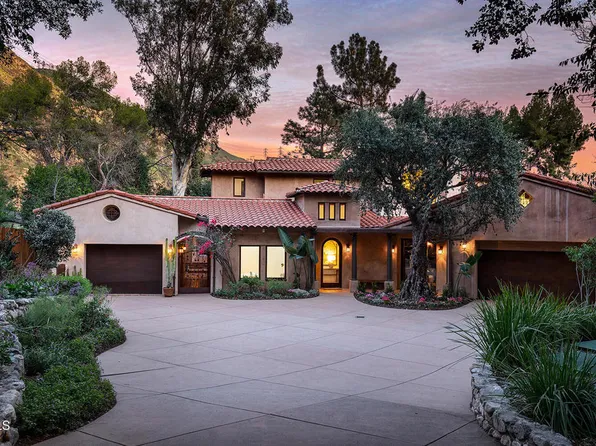
Altadena
Altadena
Pacific Palisades
Pacific Palisades
Fire-Resistant Build System

Built To Last
Engineered Beyond Code

EGX rebuilds use Type II steel framing, non-combustible assemblies, and fiber cement cladding. The result is a structure that meets or exceeds California Building Code Chapter 7A requirements for wildland-urban interface zones. Insurance carriers price the difference.

Type II Steel Framing
Cold-formed steel rated non-combustible per IBC Type II construction. Will not feed fire. Maintains structural integrity at temperatures that compromise wood framing.
Fiber Cement Cladding
Non-combustible exterior cladding rated for wildland-urban interface use. Resists ignition under sustained ember exposure and radiant heat. Long service life, minimal maintenance.
Class A Roof Assemblies
Roof assemblies rated to ASTM E108 / UL 790 Class A - the highest non-combustible classification. Standing-seam metal or tile over fire-rated underlayment. Roofs are where most fire-rebuild homes were lost.
Sealed Building Envelope
Every penetration engineered closed. Ember-resistant vent screening, sealed eaves, gasketed wall assemblies, and tempered glazing eliminate the gap-and-vent intrusion path that defeats stick-built rebuilds.

Specific manufacturer specifications, fire ratings, and assembly details documented in the EGX construction set for each project. Subject to local code review and fire authority approval.

Why Modular Wins Here

Speed Is Everything
When Families Are Waiting

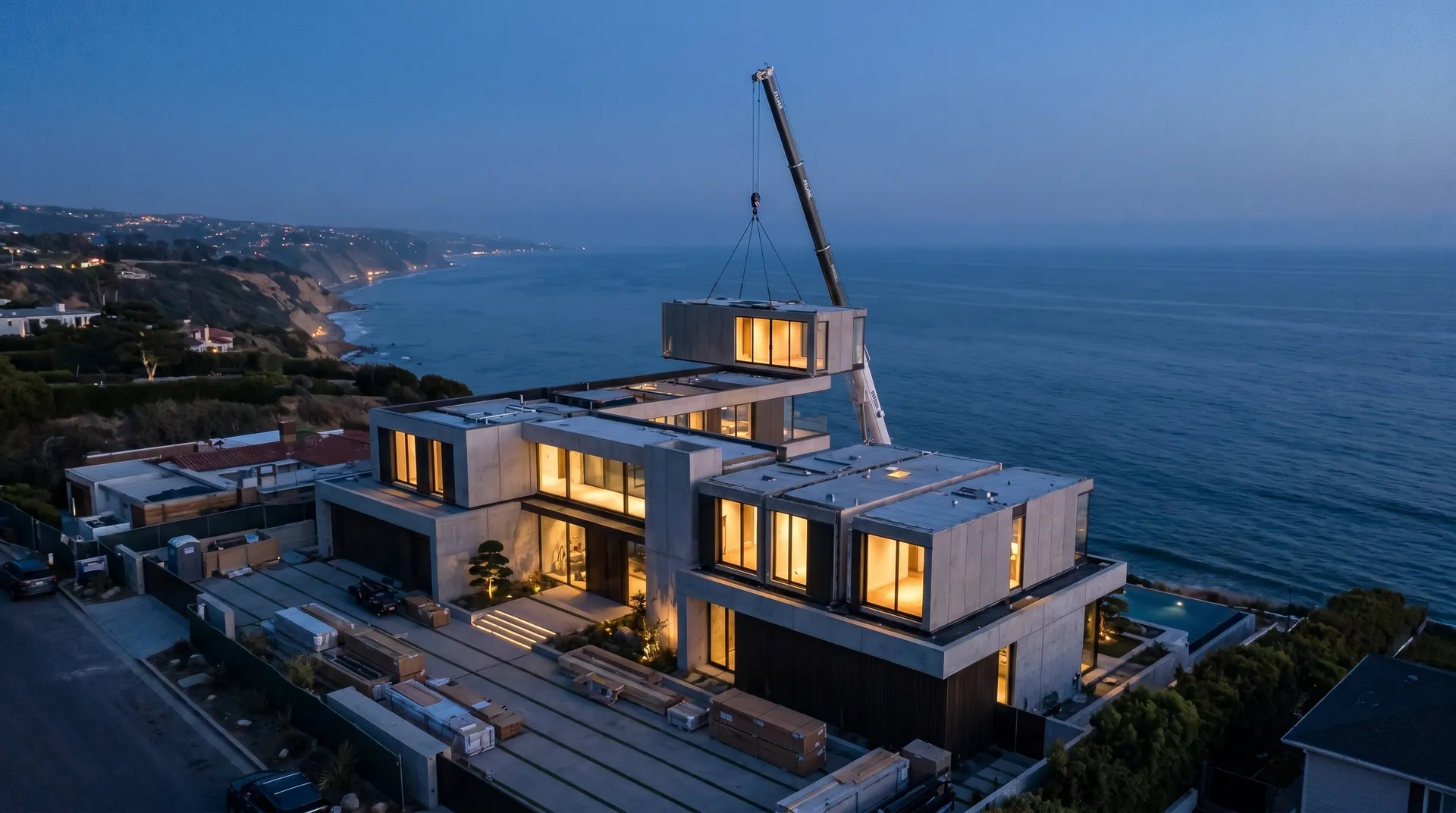
EGX delivers fire-rebuild homes in roughly half the time of stick-built construction. Eight to thirteen months versus sixteen to twenty-five. For displaced homeowners that delta is the difference between two summers in a rental and one.

Modular also brings precision factory assembly, non-combustible engineered components, and consistent code-exceeding spec. Insurance premiums price lower with carriers than stick-built. The owners and the carriers both win.

On the method itself, the modular construction guide covers the difference between volumetric, panelized and prefabricated delivery, what drives cost per square foot, how lenders underwrite a modular build, and the cases where modular does not pencil and EGX builds conventionally instead.
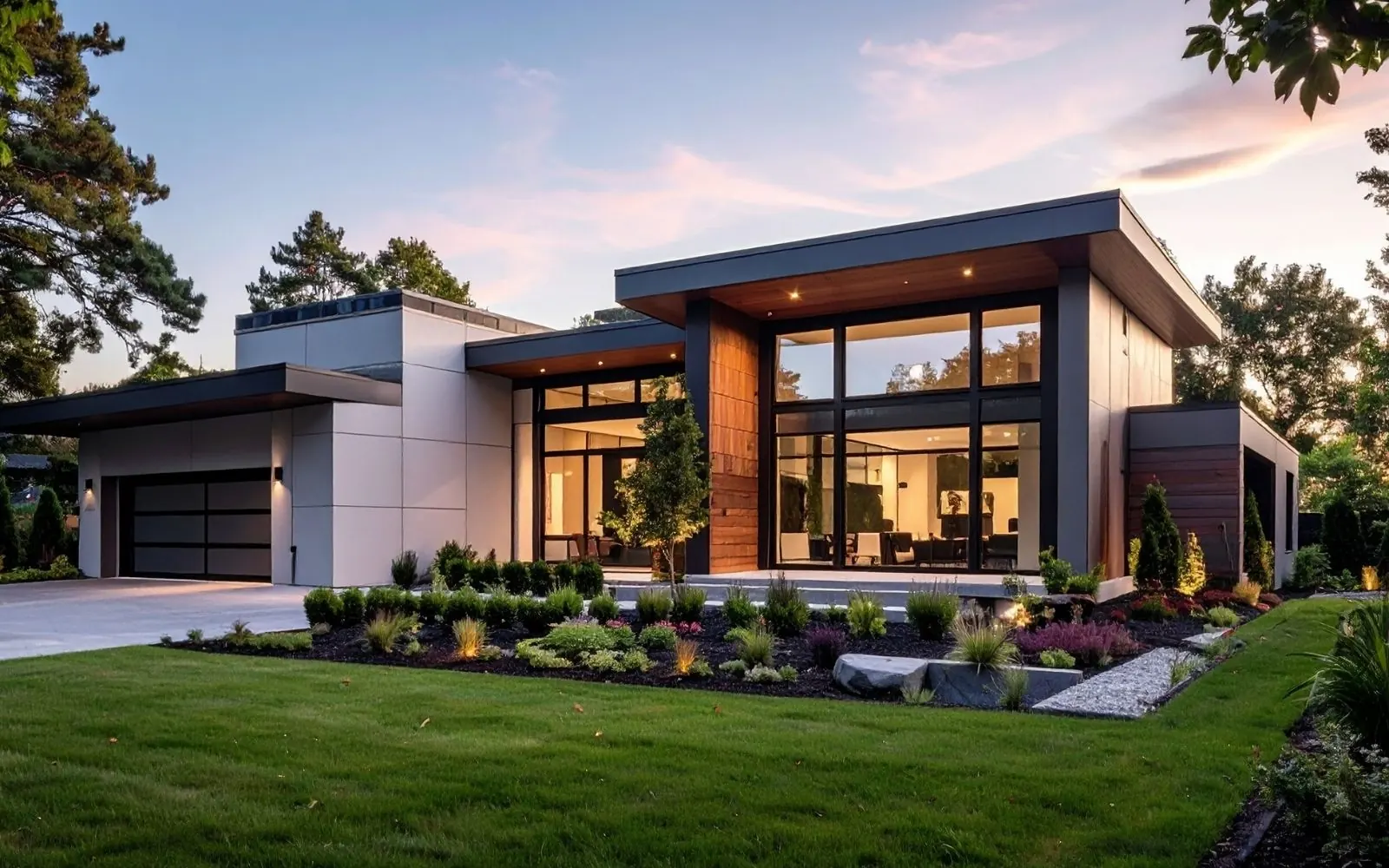
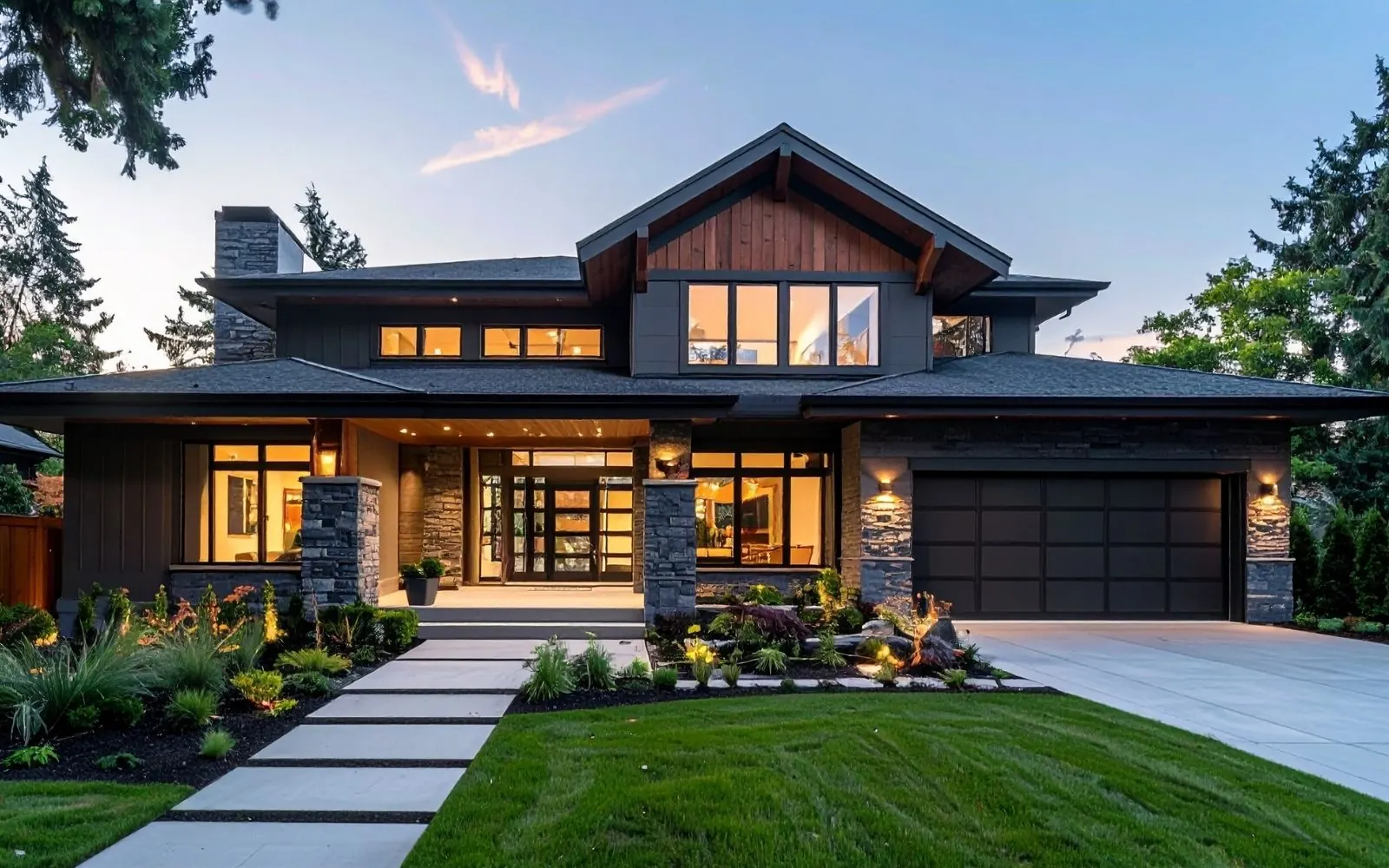
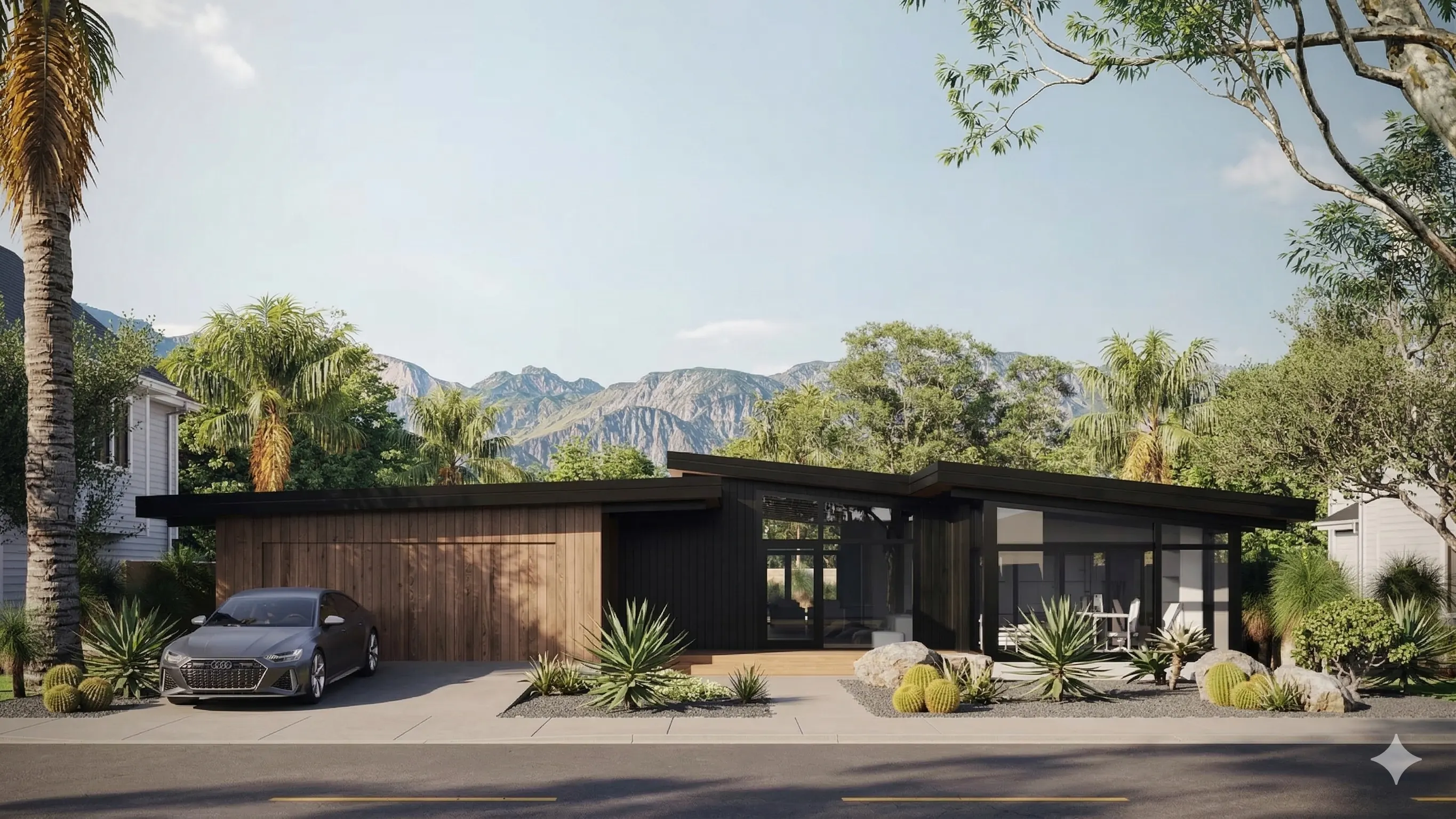
Modular Rebuild · Photo 1
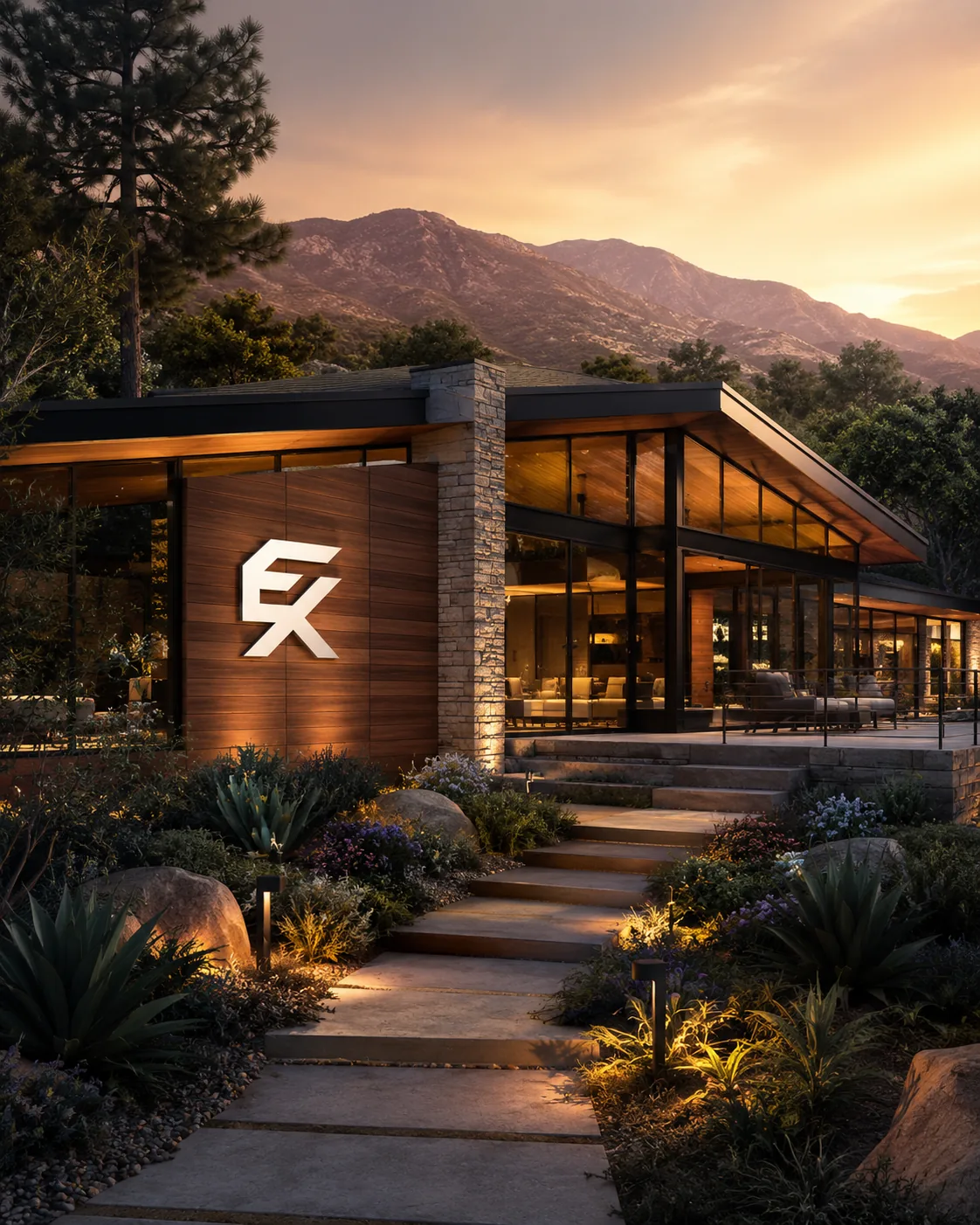
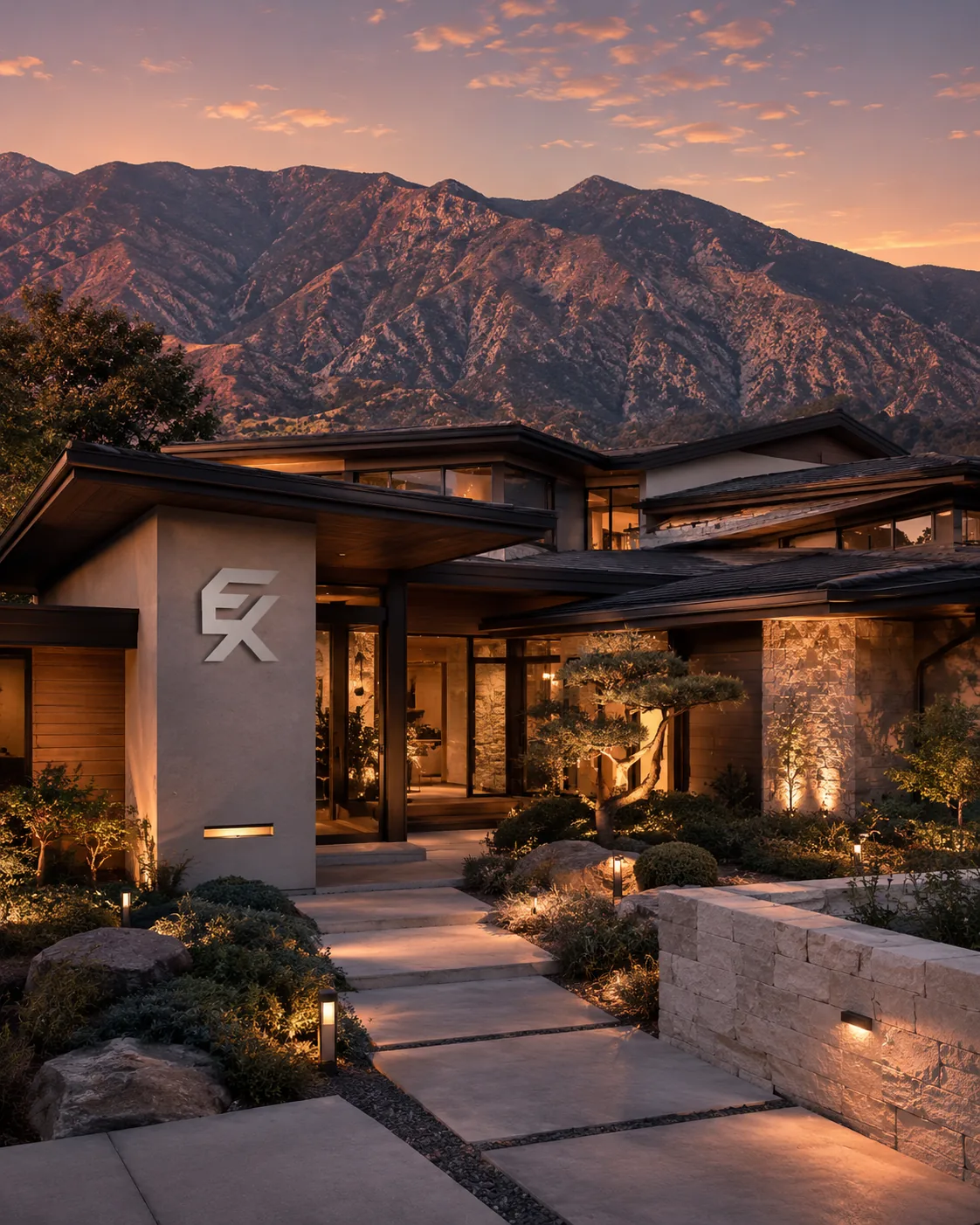
EGX Mountain Estate Render
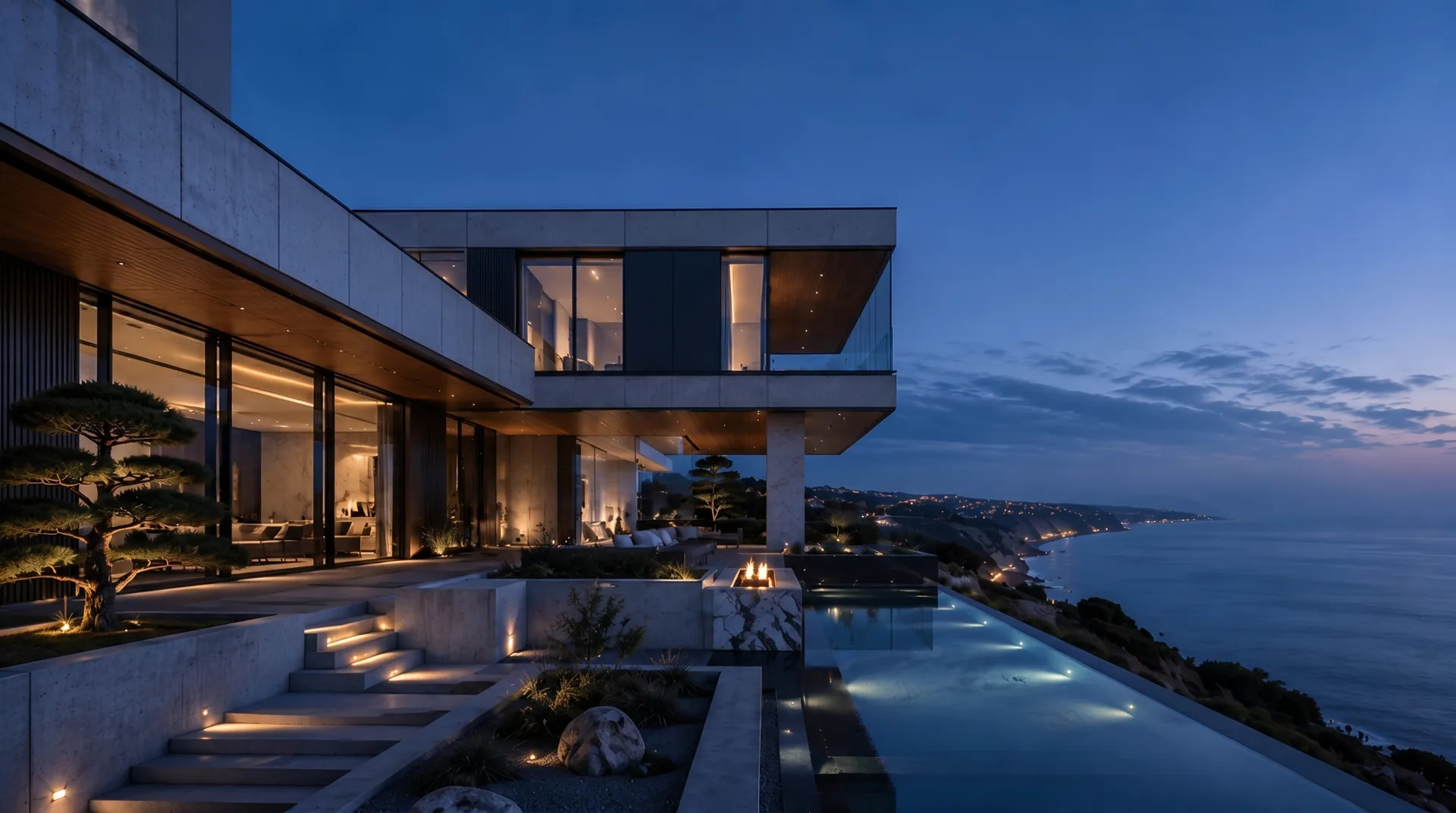
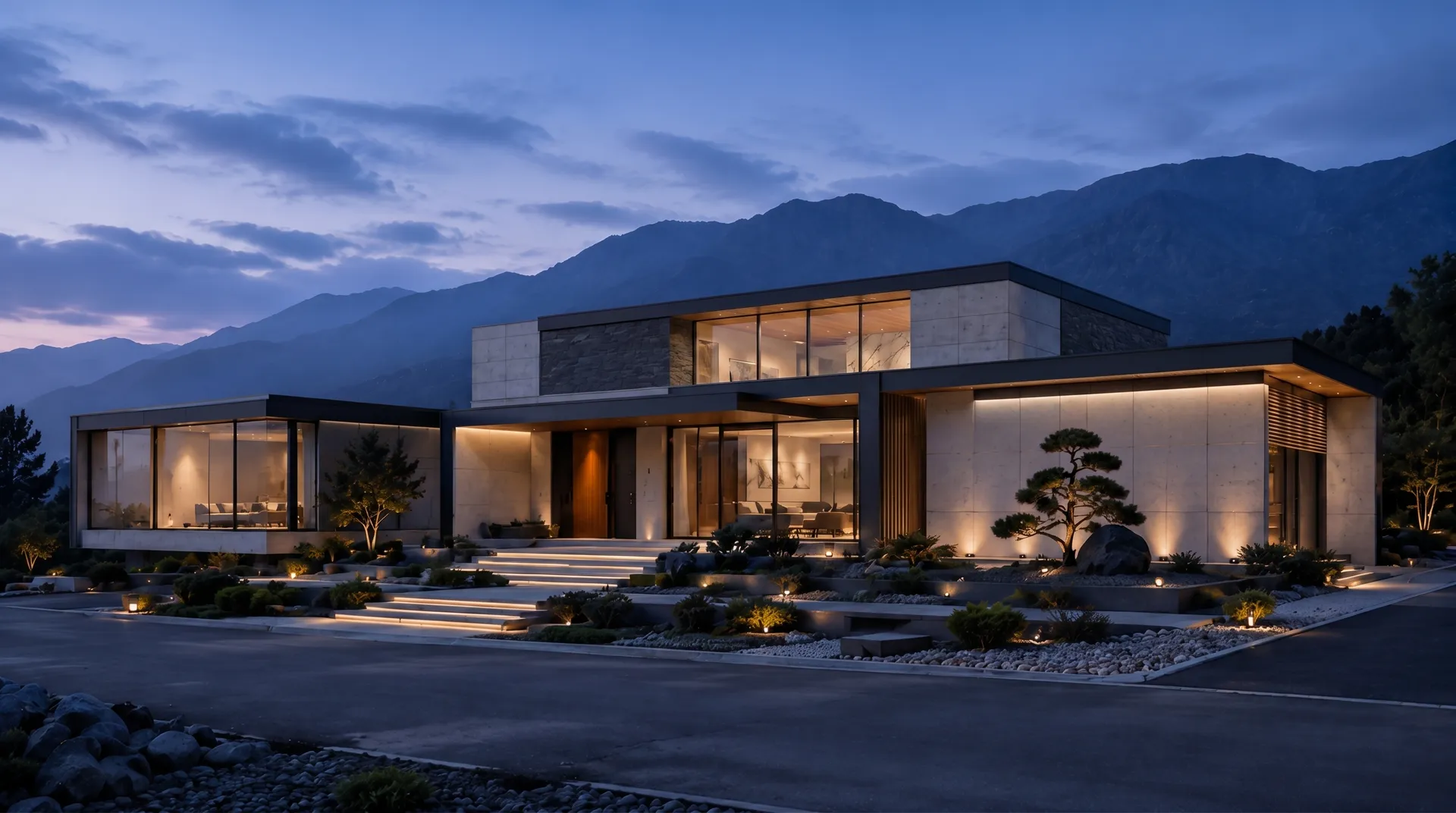
Modular Rebuild · Photo 2
Approach

Vertically Integrated Execution
Off-Market Flow

Working With Homeowners Directly
Displaced owners who want to return but cannot wait through stick-built timelines. EGX rebuilds on their lot with insurance proceeds and modular delivery.
Off-Market Lot Pipeline
For owners who choose not to return, EGX acquires through licensed brokerage. Off-market relationships across the displaced ownership network. Lots disclosed under NDA.
In-House End To End
Underwriting, brokerage, design coordination, modular procurement, field management, exit - all under one team. The GC scope and the design-build relationship stay in house.
Investor Access

Two Paths In

The mission is rebuilding cities and helping owners come home. For investors aligned with that work, the modular delta on these projects also drives meaningful project returns.

Direct investment. For qualified investors on a deal-by-deal basis. Single-asset positions on identified lots with full underwriting disclosure under NDA.

Reg D 506(c) syndication. Pooled fire-rebuild positions for verified accredited investors. Diversified across the active lot pipeline. Quarterly LP reporting and annual K-1.

Specific lot economics, build cost frameworks, exit comps, and supply chain pricing are confidential and disclosed to qualified investors under executed non-disclosure. Reg D 506(c) offerings limited to verified accredited investors as defined under Rule 501.
Rebuild Cost Calculator

Estimate Your
Modular Rebuild

Compare stick-built and modular rebuild costs against your insurance settlement. See where the capital gap falls and what modular delivery saves. All figures are illustrative - EGX delivers a personalized proforma with current market pricing on request.

Location
Standard-finish pricing band: $450 - $500 stick · $375 - $425 modular
Finish Level
Base spec. Builder-grade fixtures, drywall, off-the-shelf kitchen.
Output is illustrative. $/sqft baselines reflect mid-range LA fire-rebuild pricing and exclude land, soft costs, hardening upgrades, FF&E, contingency, and lender requirements. Final delivered cost is materially driven by finish quality, fixture grade, custom millwork, and architectural complexity. EGX customizes every proforma to your lot, scope, and finish level. Request a personalized read above. Engage qualified counsel and a licensed contractor before committing capital.
Frequently Asked

Rebuild Questions
Answered Directly

How long does it take to rebuild after the Eaton or Palisades fire?
On the construction itself, roughly 8 to 13 months modular against 16 to 25 stick-built. That is the part EGX can compress. The part it cannot is what comes first: debris clearance, insurance settlement, soil and utility verification, and plan approval, which together often take longer than the build and start before a contractor is chosen. The single most useful thing an owner can do early is get the lot cleared and the plans moving, because the factory slot is easy to schedule once those are settled and impossible to use before.
Will my insurance settlement cover the rebuild?
Frequently not on its own, and the gap is the number worth knowing before you commit to a design. Dwelling limits were set against pre-fire construction costs, and a total-loss rebuild in a market where thousands of lots are competing for the same trades does not price like an ordinary build. Three parts of a policy usually matter more than owners expect: extended replacement cost, which adds a percentage above the dwelling limit; ordinance and law cover, which pays for code upgrades triggered by rebuilding to current standards; and additional living expense, which sets how long you can afford to wait. The rebuild calculator on this page compares stick and modular cost against your settlement figure so the gap is explicit rather than discovered late. EGX is not a public adjuster and does not negotiate claims.
What does it cost per square foot to rebuild in Altadena or Pacific Palisades?
In Altadena, roughly $450 to $500 per square foot stick-built and $375 to $425 modular at a standard finish level. In Pacific Palisades, roughly $700 to $800 stick-built and $450 to $500 modular, where the spread is wider because site constraints and finish expectations both run higher. Premium and ultra-custom finish levels move these materially. These are planning figures for comparison, not quotes: the real number depends on the lot, access, foundation and utility conditions, and how much of the prior structure can be reused.
Do I have to rebuild the same house I had?
No, and the choice has insurance consequences worth understanding first. Most policies pay replacement cost for a comparable structure, so a materially larger or more elaborate house is generally funded by you rather than the carrier, while rebuilding smaller can leave settlement money unspent. Rebuilding to the prior footprint is usually the fastest route through plan check because it raises fewer questions; a redesign is often the better long-term decision and a slower one. Current codes apply either way, which is where ordinance and law cover matters. This is a decision to make with your carrier and your architect before it is made with a builder.
Should I rebuild or sell the lot?
It depends on a comparison most owners have not been given: what the finished house would be worth against total delivered cost including the months of carry and rent, set beside what the cleared lot would sell for today. Rebuilding usually wins on value where the settlement is strong and the owner intends to live there. Selling often wins where the gap between settlement and cost is large, where the owner has already relocated, or where the lot is difficult enough that construction cost runs well above the area norm. EGX brokers lots and rebuilds them, so the answer is not predetermined, and the analysis is the same work either way.
Can I defer the tax on an insurance payout if I do not rebuild?
Often yes, through Section 1033, which covers property lost to an involuntary conversion including fire. It works differently from a 1031 exchange in ways that favor you here: no qualified intermediary is required, you can receive the proceeds directly, and the replacement window is considerably longer, generally two years from the end of the tax year in which the gain is realized and extended to four years for a principal residence in a federally declared disaster area. The replacement standard is similar or related in service or use rather than like-kind. The EGX 1031 exchange guide covers 1033 alongside the exchange structures, and the specifics belong with your CPA.
Will modular work on my lot?
Usually in Altadena, less often on the steeper Palisades lots, and the deciding factor is almost always crane access rather than the design. Modules arrive by truck and are set by crane, so road width, overhead lines, slope, and the distance from a place the crane can stand to where the house goes determine feasibility before anything else does. Where volumetric will not reach, panelized delivery often still works and keeps part of the schedule advantage. EGX checks this at the preliminary read rather than after a factory slot is reserved, and where modular does not pencil it builds conventionally or says so.
What happens with permits and debris removal?
They are separate tracks and both sit ahead of construction. Debris clearance ran through a county-coordinated program with an opt-in deadline, and whether an owner opted in or cleared privately changes both the timeline and what documentation plan check will ask for. Permitting depends on jurisdiction: Altadena is unincorporated Los Angeles County and goes through County Public Works and Building and Safety, while Pacific Palisades is City of Los Angeles and goes through LADBS. Both stood up expedited rebuild processes for fire-affected properties, with requirements that have changed more than once, so the current position is worth confirming rather than assuming. Modular does not shorten this stage.

Cost and timeline figures are planning estimates for comparison, not quotes. EGX is a developer and licensed brokerage; it is not a public adjuster, tax advisor, or legal counsel, and does not negotiate insurance claims. Insurance, tax, and code questions belong with your carrier, CPA, and counsel. Permitting and debris-removal requirements have changed more than once since the fires and should be confirmed against the current position.
Begin Rebuild
Rebuild
With EGX

Displaced homeowner, returning property owner, or capital aligned with the work: EGX answers directly.

EGX Investments Replies · Confidential
EGX InvestmentsNewsletter
Four issues a year, written by the EGX Investments team. Where we are putting capital, and what is moving it between the US and Asia.
Important Legal Disclosure: EGX Investments is a private real estate platform offering investment, development, brokerage, asset management, and syndication services. Direct investment opportunities are offered to qualified individual investors. Syndicated investment opportunities described on this website are private offerings made under Regulation D Rule 506(c) of the Securities Act of 1933, limited to verified accredited investors as defined in Rule 501. Limited partners in syndicated offerings receive quarterly reporting and annual K-1 distributions per the governing limited partnership agreement. Brokerage services, including 1031 exchange representation, are provided through licensed real estate professionals. Asset management services are provided to institutional and private clients on a discretionary or advisory basis as agreed. EB-5 capital is raised through partnership with a USCIS-designated Regional Center serving as marketing partner; EGX itself acts as project sponsor for the underlying U.S. real estate development. The partnered Regional Center is responsible for I-526E petition support, job-creation methodology, and USCIS compliance. EGX coordinates project-level diligence, source-of-funds documentation, capital structuring, and execution under qualified immigration and securities counsel. Specific Regional Center identification, engagement terms, and capital deployment protocol disclosed under NDA after qualification. Active engagement subject to final counsel sign-off. Nothing on this website constitutes an offer to sell or a solicitation of an offer to buy any security. Such offers are made only by means of definitive offering documents available exclusively after qualification and execution of confidentiality agreements where applicable. Past performance is not indicative of future results. All investments involve risk, including the possible loss of principal invested. Any forward-looking statements reflect EGX's current views and assumptions and are subject to risks and uncertainties that could cause actual results to differ materially. Prospective investors should consult with their own legal, tax, and financial advisors before making any investment decision.
Investment Opportunities Are Offered To Qualified Investors Only.