Skip to contentSkip to main content
Modular

Build Faster
Backed By Industry Data

EGX Modular works with preferred factory partners and runs disciplined feasibility on every project, residential and commercial. The structural advantage is speed. Lower cost and faster delivery follow from it.

Modular Applications

What EGX Builds With Modular
Residential, ADU, Commercial

EGX deploys modular across three application classes. Preferred manufacturer relationships, vertically integrated fixtures and finishes, factory-grade tolerances, and predictable timelines apply to each.

01
Residential

California fire-rebuild homes in Altadena and Pacific Palisades. Modular speed keeps pace with insurance timelines and the urgency displaced families feel to get home.

02
Accessory Dwelling Units (ADU)

California's relaxed ADU rules make backyard density easy to add. Modular delivers a finished ADU in 8 to 12 weeks, for rental income or multi-generational living.

03
Commercial

More units means the factory cost spreads further. At scale, modular pays off faster and reaches stabilization sooner.

MultifamilyHospitalityWorkforceSenior Care
Why Modular Is Inevitable

The Last Major Industry
To Industrialize

U.S. construction is a trillion-dollar-plus annual market, yet permanent modular construction still accounts for a small share of new starts. That gap is the opportunity. Modular delivers precision factory tolerances at compressed timelines, the same advantages that industrialized every other production economy decades ago.

EGX Modular is built to lead this shift, with active projects already executing against it.

$1T+
U.S. Construction Output
<5%
Modular Share Today
Precision
Factory-Built To Tolerance
EGX Investments
Active Pipeline

Conventional construction is squeezed on three fronts: project overruns, skilled-labor shortage, and persistent cost escalation. Modular addresses all three through factory-controlled production, off-site parallelization, and standardized supply chains. Per the Modular Building Institute (MBI), permanent modular construction continues to gain market share each year as developers reprice the conventional risk premium.

Project Overruns
A majority of large conventional projects deliver late and over budget. Field weather, trade sequencing, and material delivery cascade into months of slippage.
70%+Of large projects run over budget
Source: McKinsey, Reinventing Construction
Labor Shortage
The skilled-trade labor gap continues to widen across U.S. construction. Factory production substitutes a single-location specialized workforce for fragmented field crews.
439K+Additional workers needed in 2025
Source: Associated Builders & Contractors (ABC), 2025 Workforce Outlook
Cost Escalation
Hard costs have outpaced rents and asset values across most U.S. metros since 2020. Pro forma viability has narrowed across the conventional model.
+35%Construction materials since 2020
Source: U.S. Bureau of Labor Statistics PPI
The EGX Solution
Precision Factory Build
Solves All Three.
Factory-controlled production eliminates weather, sequences trades indoors, substitutes a specialized workforce for fragmented crews, and locks supply chain pricing. Tighter tolerances, predictable schedule, compressed cost. Quality control runs on a production line.

Industry context referenced from the Modular Building Institute (MBI) Permanent Modular Construction Annual Report and adjacent industry research (McKinsey, KPMG, Associated Builders and Contractors). Specific figures vary by year and source - refer to MBI publications for current data.
Residential ROM Comparison

Single Home To Subdivision
Speed Compounds With Unit Count
EGX Investments
Modular
Single-Family Rebuild (3,000 sf)
Speed Delta
Plans, permits, and construction through delivered units
Traditional
16-25 months
Modular
11-18 months
30-35% faster delivery
Cost Delta
Bonus
Hard-cost ROM versus conventional baseline
Traditional
100% (baseline)
Modular
90-95%
5-10%+ savings on hard cost. Soft costs and carry compress further from shorter timeline. All projections. Actual deltas often run higher.
EGX Investments
Modular
Subdivision (10-30 units)
Benefits Amplified
Speed Delta
Plans, permits, and construction through delivered units
Traditional
22-32 months
Modular
14-21 months
30-35% faster delivery
Cost Delta
Bonus
Hard-cost ROM versus conventional baseline
Traditional
100% (baseline)
Modular
90-95%
5-10%+ savings on hard cost. Soft costs and carry compress further from shorter timeline. All projections. Actual deltas often run higher.
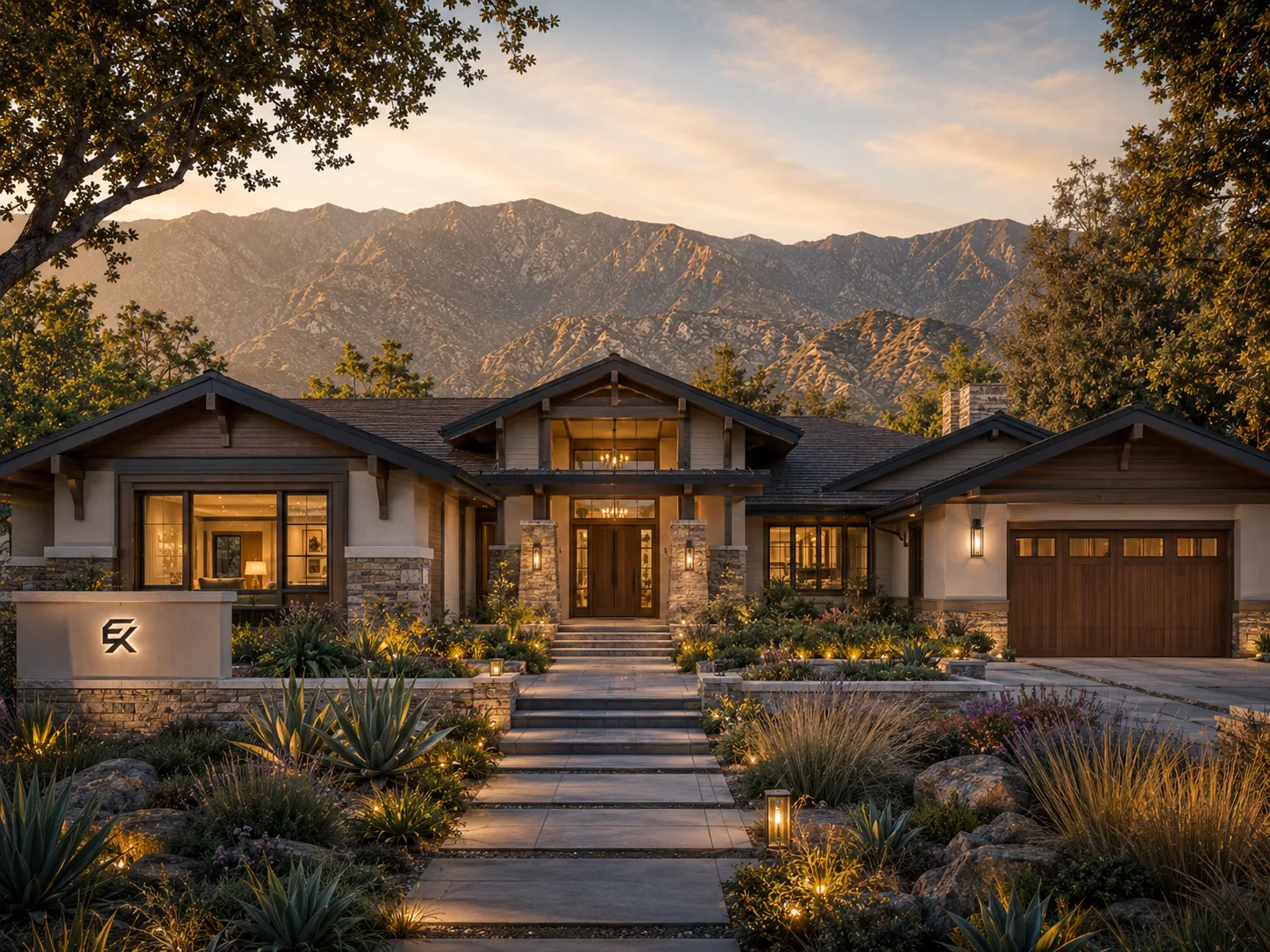
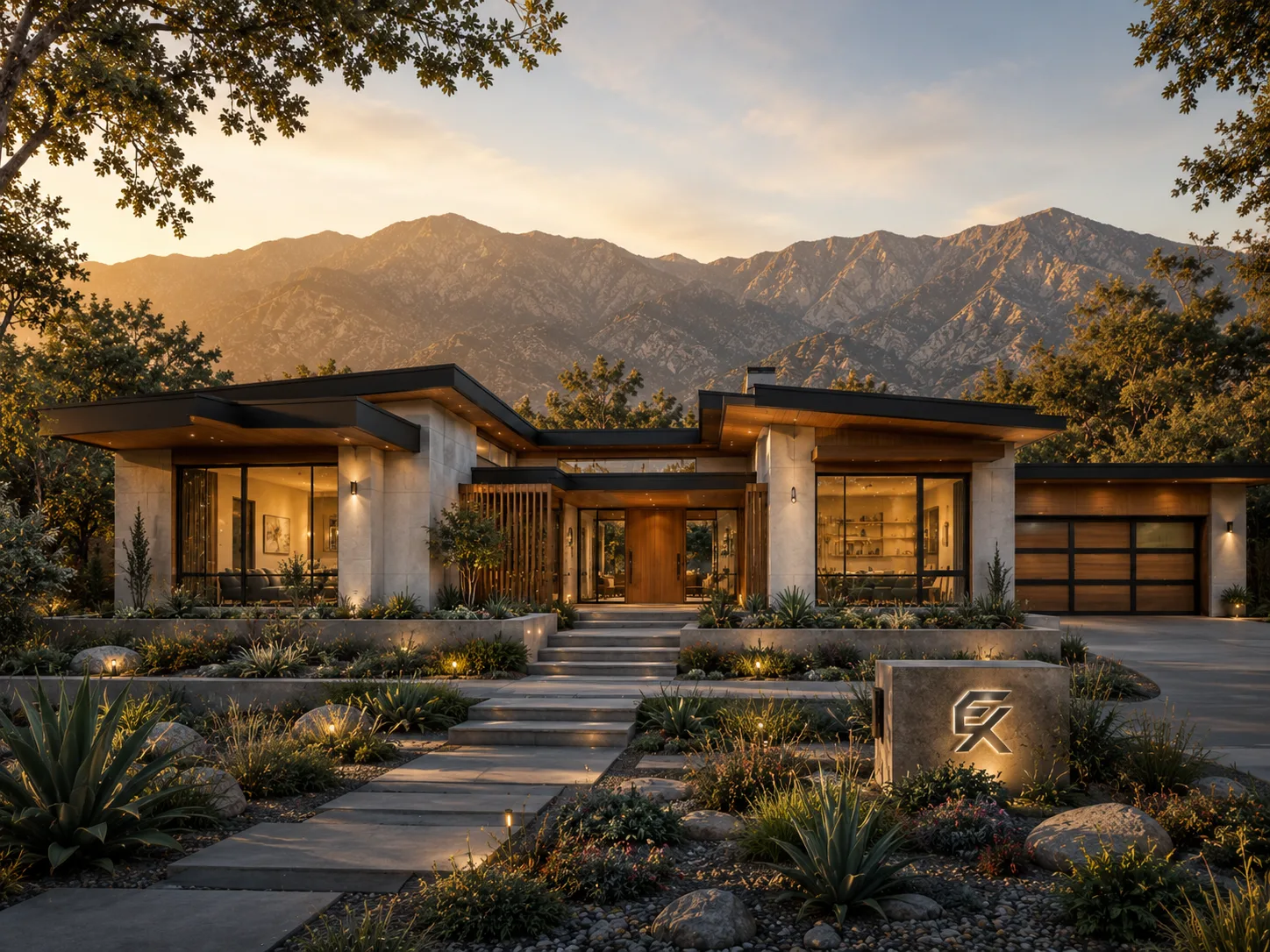
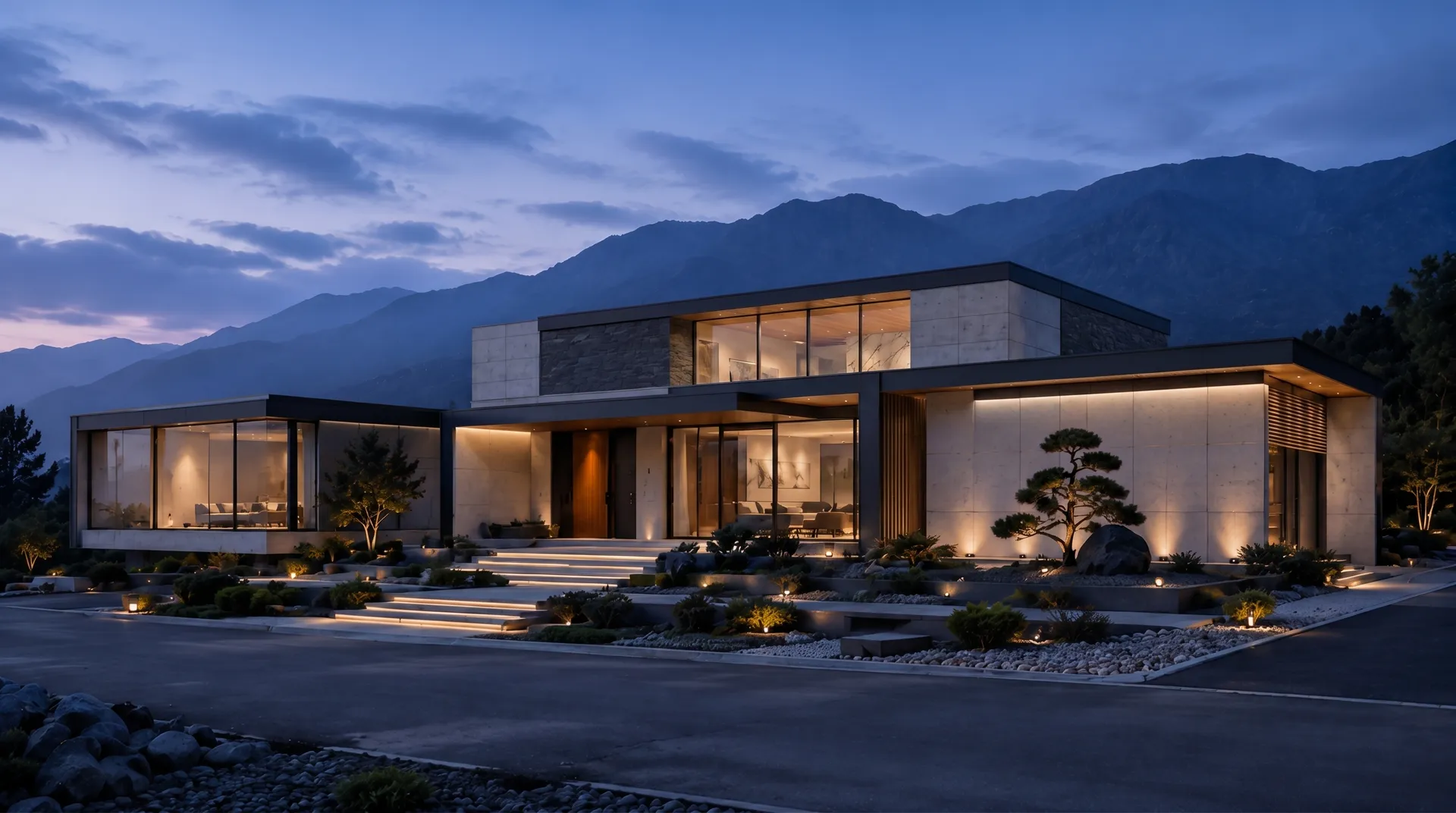
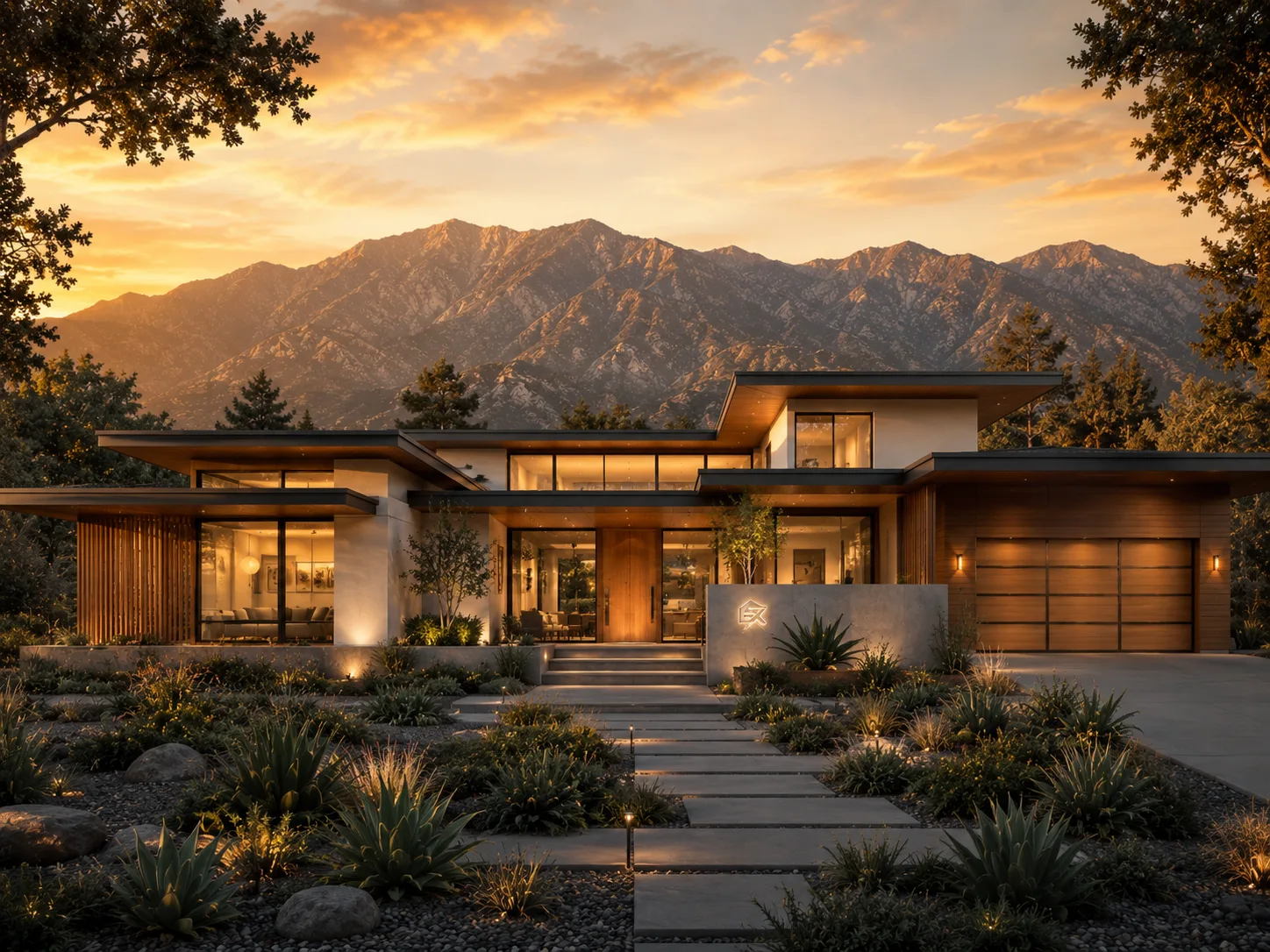
EGX modular single-family home render
EGX modular craftsman home render
EGX modular home at dusk render
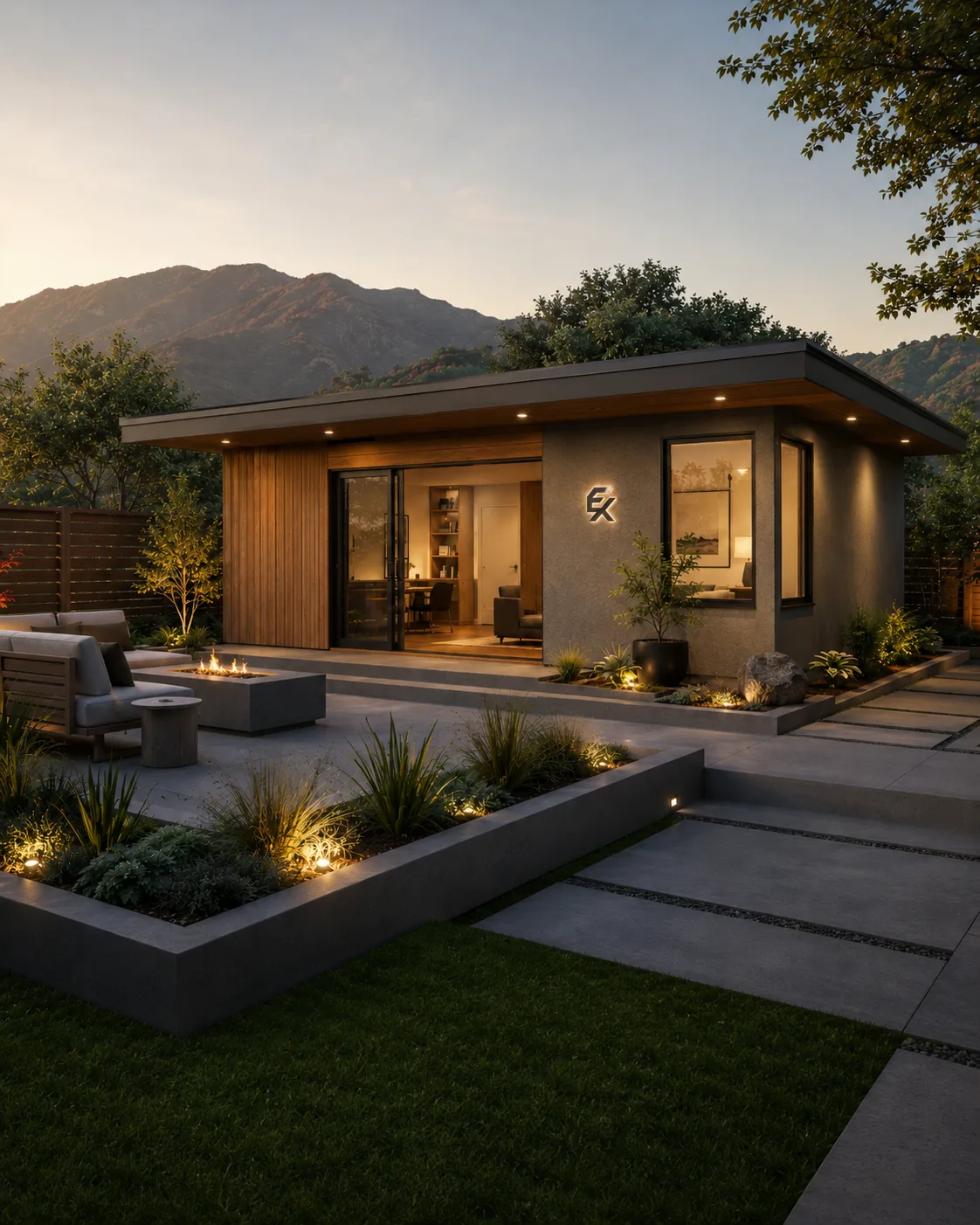
EGX modular backyard ADU at dusk
IRR Impact · Residential
25-35%++500-900 bps lift
Speed compresses carry, cost improves basis, and earlier delivery shifts cash flow forward. Single-home and subdivision projects underwrite to this range.
25-40%+
Faster Delivery
5-10%+
Hard Cost Compression
Lower
Carry & Insurance
Higher
Cash-On-Cash
ROM ranges are illustrative and conservative. Actual project economics depend on lot conditions, entitlement status, finish level, manufacturer selection, and current factory backlog. All projects are subject to feasibility study. Specific deal economics, vendor pricing, and underwriting frameworks are disclosed under NDA.
Why Modular Is Faster

Two Tracks
Running Concurrently

While the factory fabricates the modules, site crews prepare the foundation and auxiliary work. Both tracks finish around the same time. That parallelism is where the speed delta comes from. Conventional construction runs everything sequentially on one site.

Schedule Comparison · Residential Example
22 months baseline · 15 months modular · 7 months saved
0
2
4
6
8
10
12
14
16
18
20
Conventional
Stick-Built · Sequential
Design
Foundation
Framing
MEP / Drywall
Finishes
Punch
Stab.
EGX Modular
Factory + Site · Parallel
Design
Factory · 5 mo
Site · 4 mo
I
MEP/Fin.
P
S
8 mo saved

Illustrative for a single-family rebuild. Subdivisions and commercial projects compound the savings further as factory amortization and standardized assembly scale. Carry, insurance, and stabilization arrive proportionally sooner.

Commercial ROM Comparison

Returns Amplified
At Commercial Scale

Standardization compounds with unit count. Larger project finance amounts amplify carry savings. Stabilization arrives meaningfully sooner. Conservative ranges shown - actual project deltas often exceed these.

EGX Investments
Modular
150-Key Hospitality
Benefits Amplified
Speed Delta
Plans, permits, and construction through delivered units
Traditional
32-42 months
Modular
20-28 months
30-35% faster delivery
Cost Delta
Bonus
Hard-cost ROM versus conventional baseline
Traditional
100% (baseline)
Modular
90-95%
5-10%+ savings on hard cost. Soft costs and carry compress further from shorter timeline. All projections. Actual deltas often run higher.
EGX Investments
Modular
Workforce / Multifamily (40-80 units)
Benefits Amplified
Speed Delta
Plans, permits, and construction through delivered units
Traditional
22-30 months
Modular
14-20 months
30-35% faster delivery
Cost Delta
Bonus
Hard-cost ROM versus conventional baseline
Traditional
100% (baseline)
Modular
90-95%
5-10%+ savings on hard cost. Soft costs and carry compress further from shorter timeline. All projections. Actual deltas often run higher.
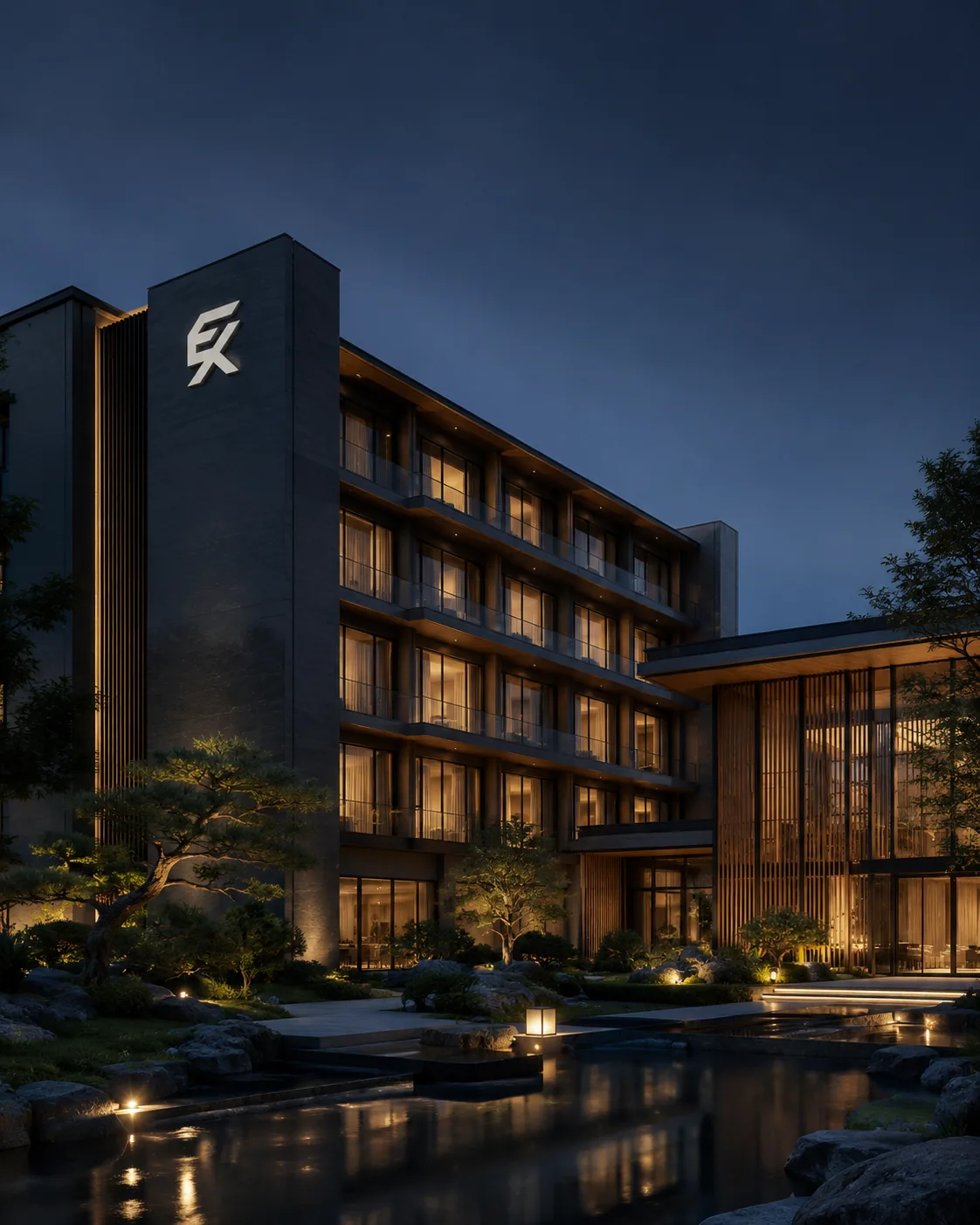
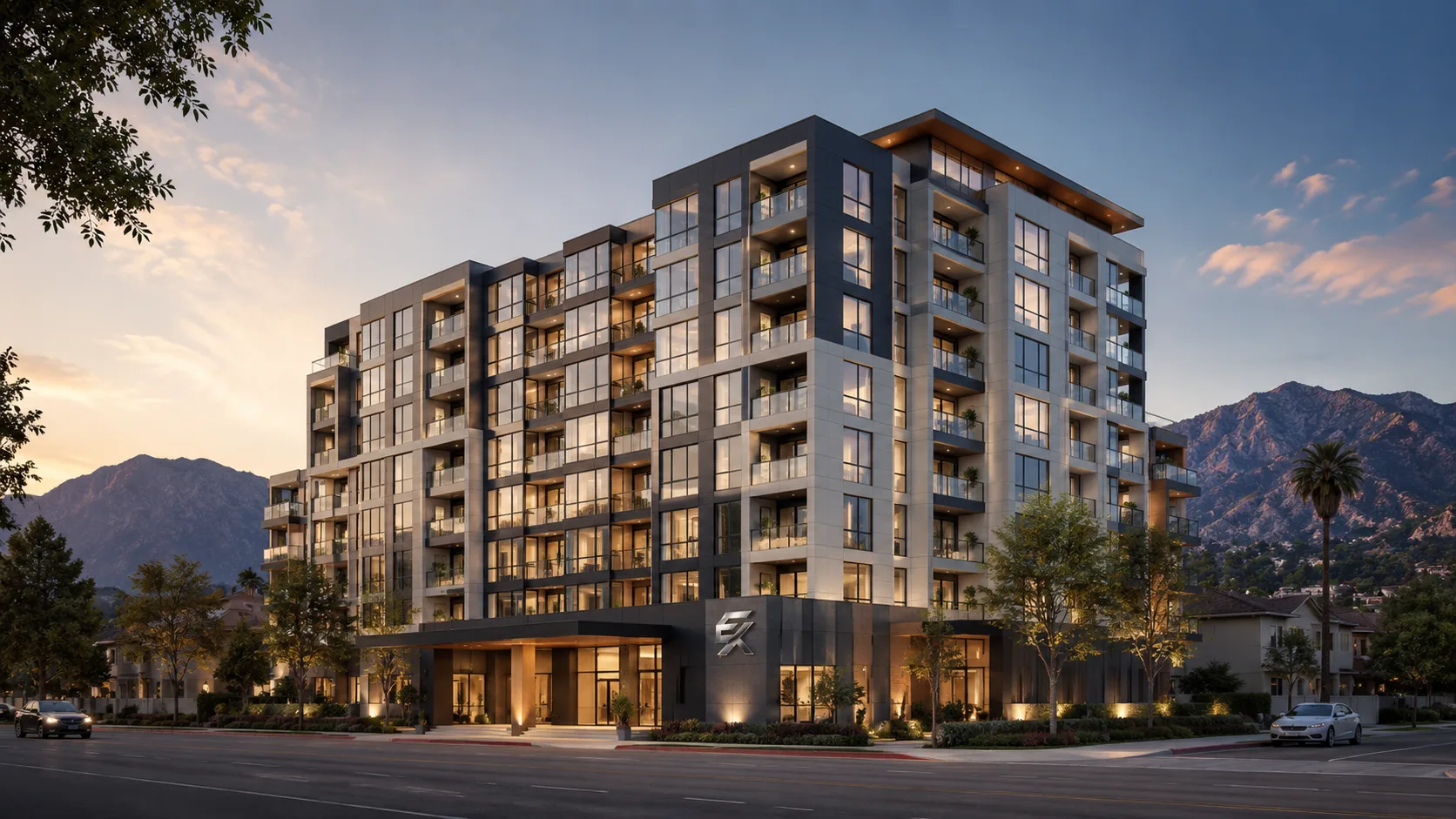
EGX modular multifamily apartment building
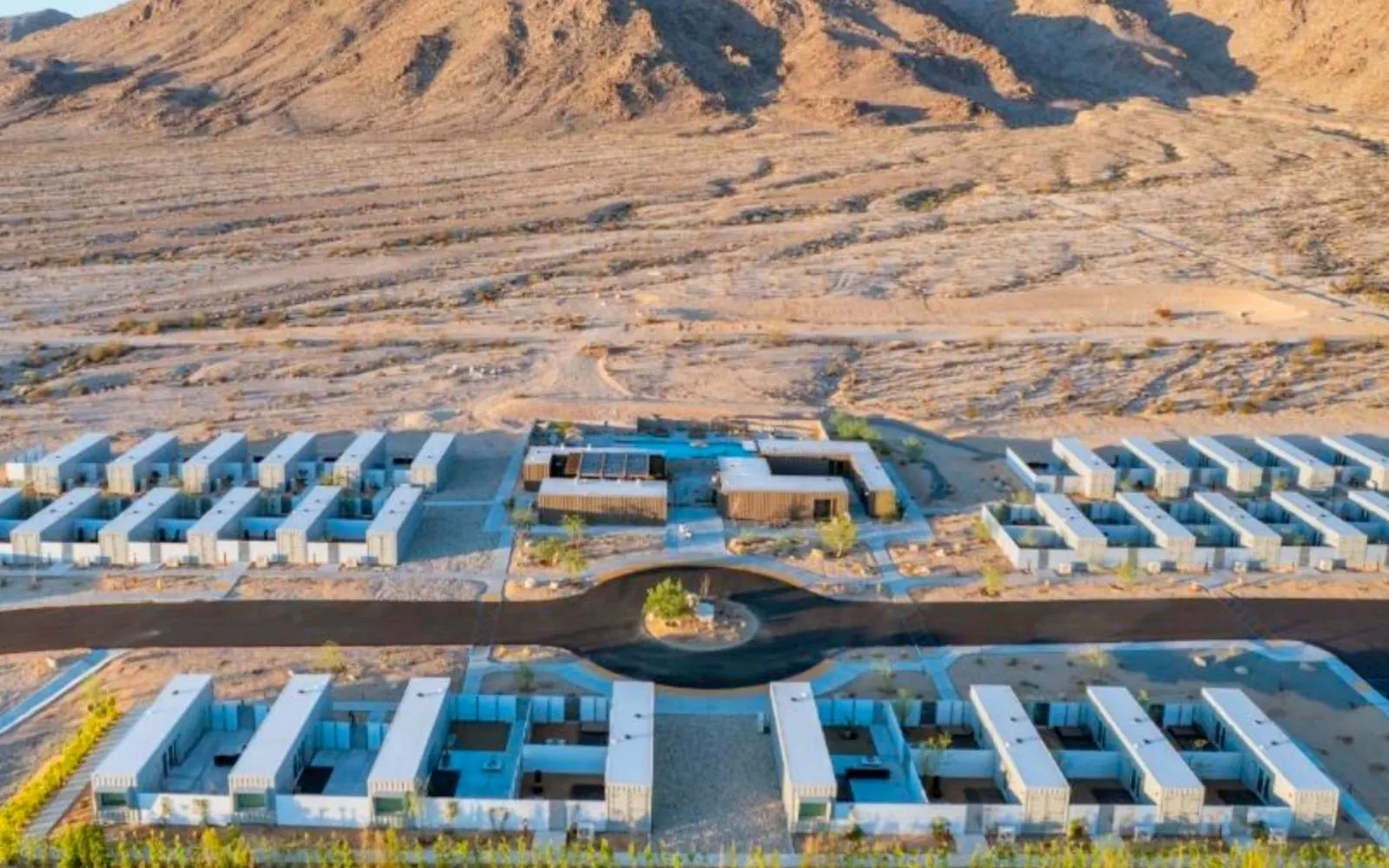
Commercial Render · 2
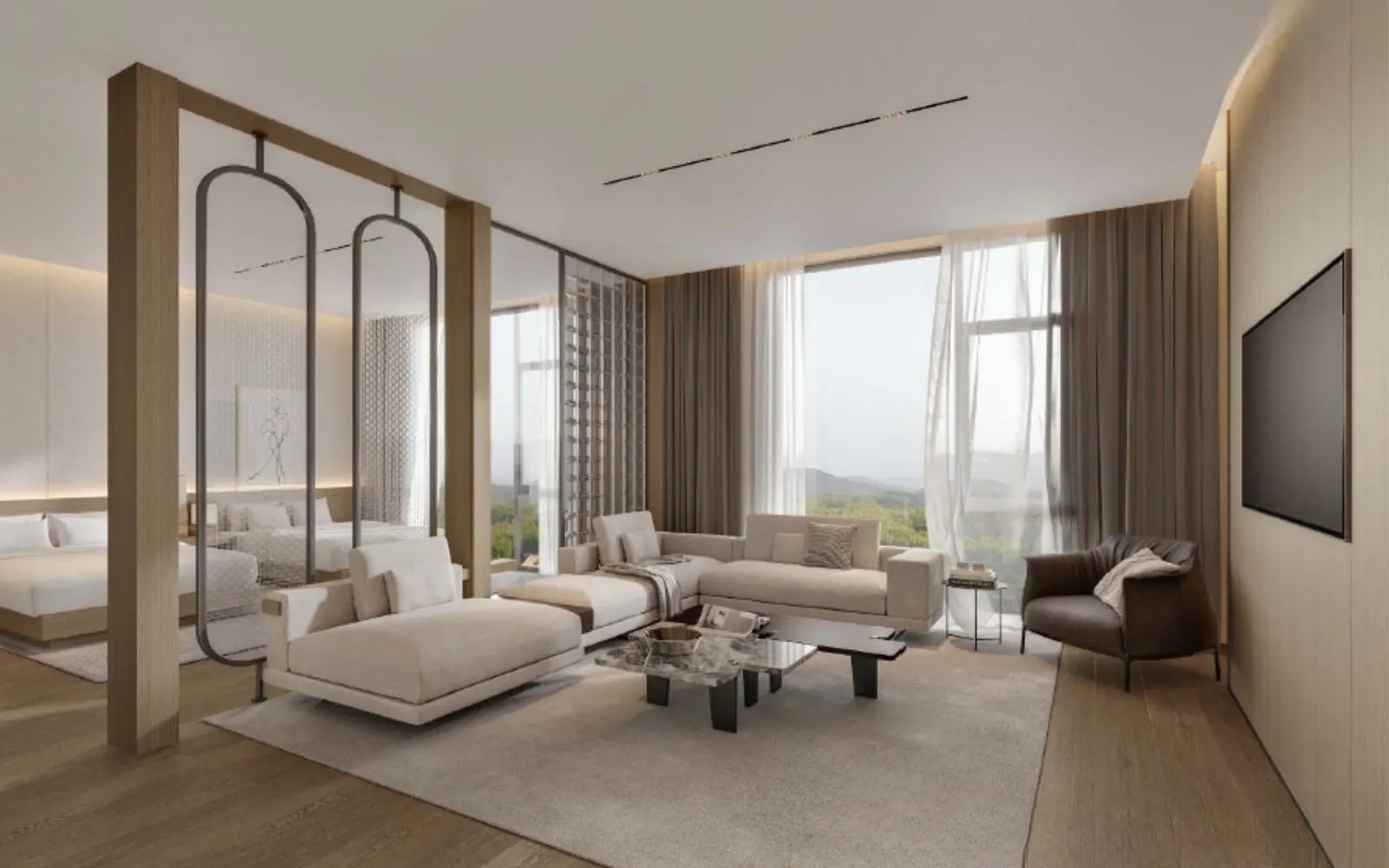
Commercial Render · 3
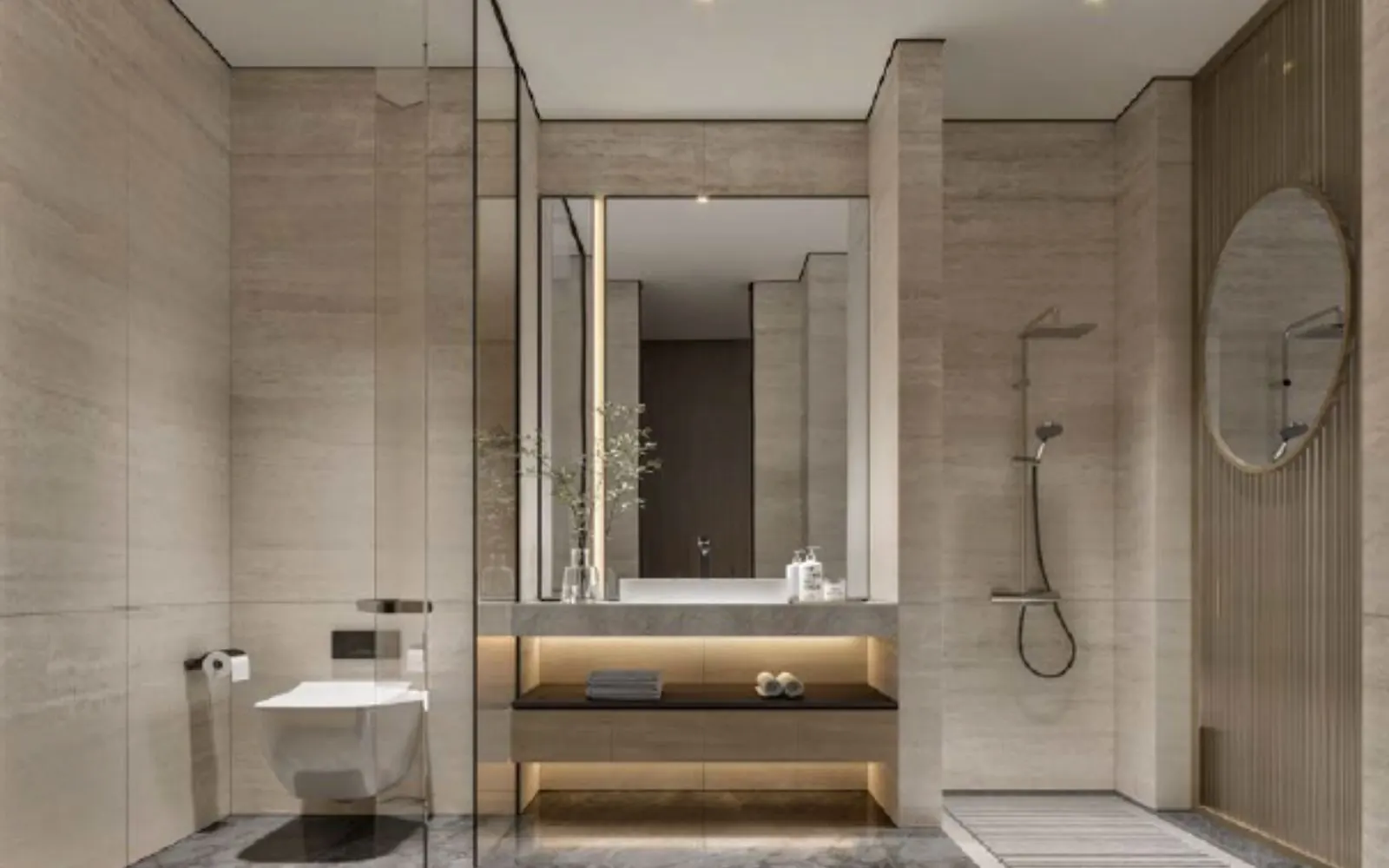
Commercial Render · 4
Why Commercial Amplifies The Win
Standardized keys and units carry across to factory amortization. Carry savings compound at larger project finance amounts. Insurance and GC liability shorten with the schedule. Stabilization arrives twelve to eighteen months sooner. The IRR consequence is structural.
IRR Impact · Commercial
27-38%++600-1,000 bps lift
Hospitality and multifamily amplify the modular delta. Factory amortization compounds with key count, and stabilization arrives twelve to eighteen months sooner than stick-built.
30-40%+
Faster To Stabilization
5-10%+
Hard Cost Compression
Lower
Insurance & Carry
Higher
Cash-On-Cash To LP

All ranges are conservative projections. Actual project returns depend on lot economics, entitlement status, capital structure, and exit conditions, and frequently exceed projections when factory amortization, FF&E pricing, and modular delivery discipline compound. All projects subject to feasibility study. Specific deal-level returns disclosed under NDA to qualified investors.

Process

From Property Address
To Delivered Asset

EGX runs a five-stage path from preliminary screening through delivered building. Engagement fee applies at the engagement letter stage. Process is stop-or-go at every stage. Modular is recommended only when the math wins.
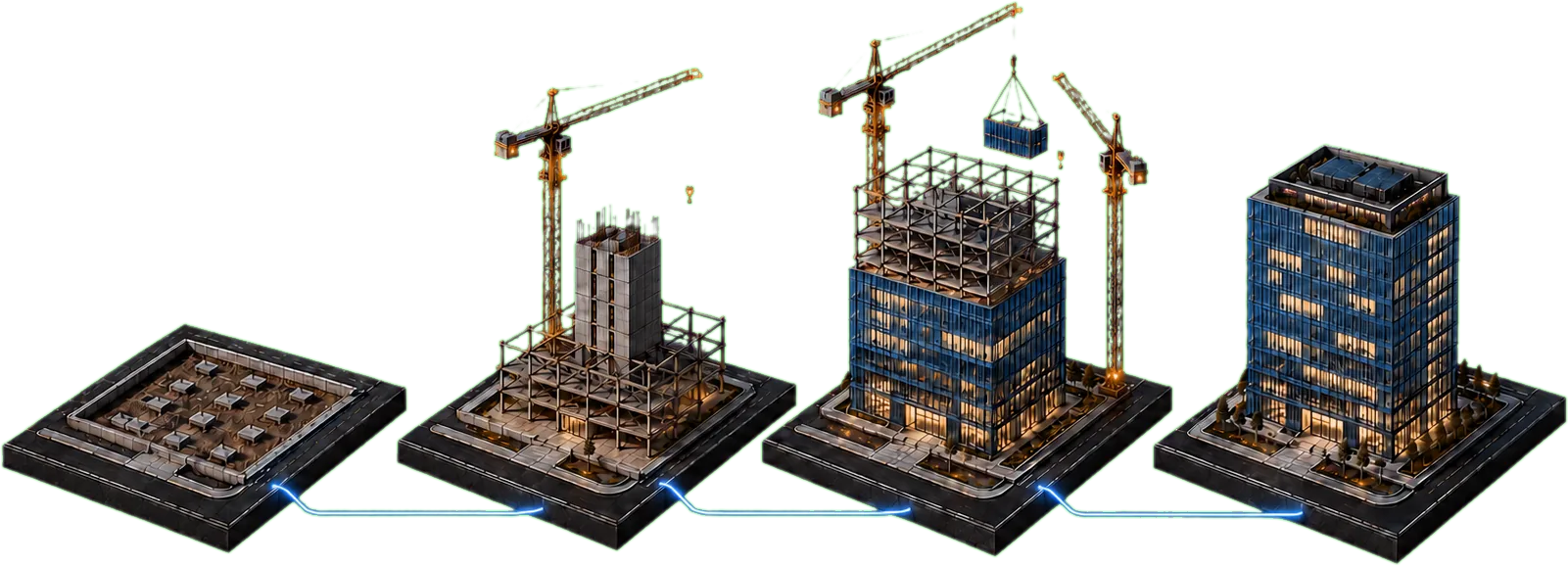
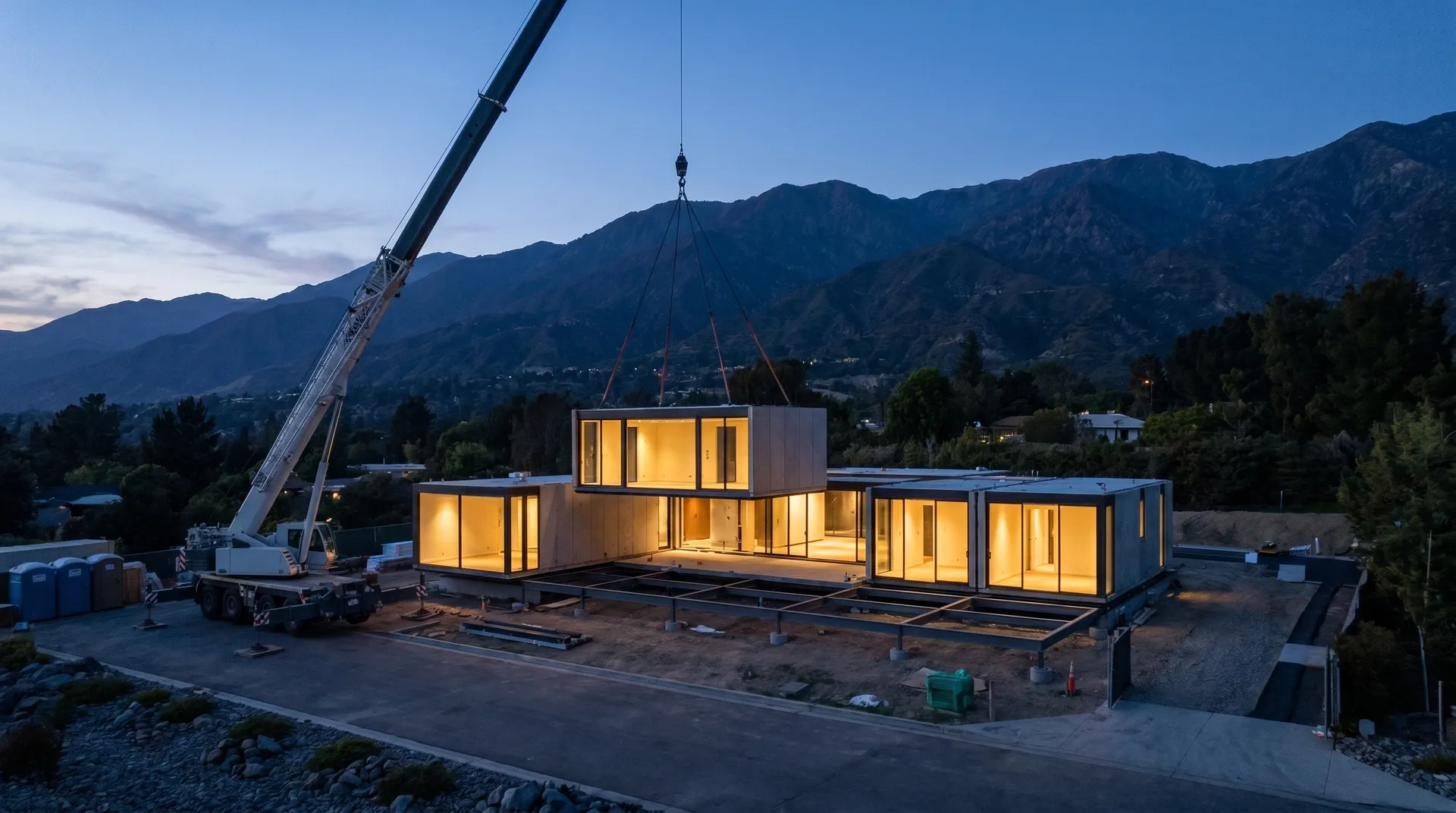
Architectural model of one site in four stages: entitled lot, structure under crane, topping out with a factory-built module being lifted into place, and the delivered building.
01
Preliminary Feasibility
Initial screening on lot, entitlement status, project type, and order-of-magnitude scope. No fee. Determines whether to proceed.
02
ROM Budget Estimate
Rough order-of-magnitude budget showing modular versus conventional delivery. Speed delta, cost delta, and IRR sensitivity. Output of preliminary feasibility.
03
Engagement Letter
Mutual engagement on scope, fees, and full feasibility deliverables. Engagement fee applies. Establishes the working relationship before commitment of full design and underwriting effort.
04
Full Feasibility Study
Detailed engineering, manufacturer specification, design coordination, vendor sourcing, entitlements path, and final delivered-cost framework. Output is a build-ready package.
05
A-to-Z Project Coordination
EGX coordinates entitlements, design, manufacturer selection, FF&E sourcing, site work, foundation, module install, finish, and stabilization. Single accountable framework end to end.
Engagement Fee Disclosure
Stages 01 and 02 are no-fee preliminary work. An engagement fee applies at Stage 03 (Engagement Letter) to cover the full feasibility study, design coordination, and underwriting effort that follows. Fee structure scales with project size and is credited against the development fee on projects EGX coordinates through Stage 05. Specific fee terms disclosed in the engagement letter.
Begin The Process

Submit Your Property
For Modular Feasibility

Submit a property address with project type and rough scope. EGX returns a preliminary feasibility read on whether modular pencils. No fee for the preliminary review. Engagement fee applies only if you proceed to a full feasibility study.

No fee for the preliminary read. Engagement fee applies only if you proceed to a full feasibility study. No commitment until engagement letter is signed. EGX recommends modular only when the math wins. Architectural complexity, irregular lot constraints, custom finish demands, and entitlement risk can render modular uneconomic. In those cases we build conventionally or decline. All projects are subject to formal feasibility study before any recommendation.

EGX InvestmentsNewsletter
Four issues a year, written by the EGX Investments team. Where we are putting capital, and what is moving it between the US and Asia.
Important Legal Disclosure: EGX Investments is a private real estate platform offering investment, development, brokerage, asset management, and syndication services. Direct investment opportunities are offered to qualified individual investors. Syndicated investment opportunities described on this website are private offerings made under Regulation D Rule 506(c) of the Securities Act of 1933, limited to verified accredited investors as defined in Rule 501. Limited partners in syndicated offerings receive quarterly reporting and annual K-1 distributions per the governing limited partnership agreement. Brokerage services, including 1031 exchange representation, are provided through licensed real estate professionals. Asset management services are provided to institutional and private clients on a discretionary or advisory basis as agreed. EB-5 capital is raised through partnership with a USCIS-designated Regional Center serving as marketing partner; EGX itself acts as project sponsor for the underlying U.S. real estate development. The partnered Regional Center is responsible for I-526E petition support, job-creation methodology, and USCIS compliance. EGX coordinates project-level diligence, source-of-funds documentation, capital structuring, and execution under qualified immigration and securities counsel. Specific Regional Center identification, engagement terms, and capital deployment protocol disclosed under NDA after qualification. Active engagement subject to final counsel sign-off. Nothing on this website constitutes an offer to sell or a solicitation of an offer to buy any security. Such offers are made only by means of definitive offering documents available exclusively after qualification and execution of confidentiality agreements where applicable. Past performance is not indicative of future results. All investments involve risk, including the possible loss of principal invested. Any forward-looking statements reflect EGX's current views and assumptions and are subject to risks and uncertainties that could cause actual results to differ materially. Prospective investors should consult with their own legal, tax, and financial advisors before making any investment decision.
© 2026 EGX Investments. All Rights Reserved.Do Not Sell My Personal Information
Investment Opportunities Are Offered To Qualified Investors Only.